
Are you looking for a dog who sheds the least? We have ranked every dog breed based on how much they shed, from the least shedding dogs to the worst shedding canines.
Additionally, we have provided the weight of each dog breed to assist you in finding the perfect minimal-shedding puppy that matches your desired size, whether it be small, medium, or giant.
Let’s get started!
Dog Breeds Ranked By How Much The Shed
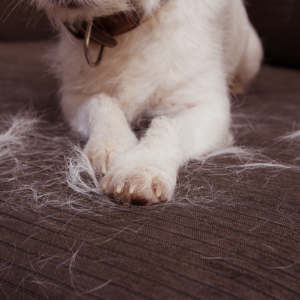
We have meticulously ranked every dog breed in the American Kennel Club based on their shedding tendencies. A shedding level of one implies minimal to no shedding, while a shedding level of five indicates a breed that sheds more noticeably (AKA 5 means get your lent roller ready!).
The information is sourced from the American Kennel Club, encompassing the breed’s reputation and distinctive characteristics.
Want to know which dog breed has the longest lifespan? Check out this ranked list of every dog breed – All 201 Amazing Dog Breeds Ranked By Lifespan: Shortest to Longest!
Common Dog Shedding Questions
What dog breed is the most giant minimal shedding dog?
The largest minimal-shedding dog breed is the Komondor. Known for its distinctive, corded coat resembling dreadlocks, the Komondor is an impressive breed in size and appearance. These dogs are originally from Hungary and were primarily used as livestock guardians. An adult Komondor can weigh over 100 pounds, making it one of the largest non-shedding dog breeds.
Despite their large size and thick coat, Komondors are minimal shedders. Their unique coat prevents frequent shedding if left in its natural state. However, grooming these dogs can be quite a chore as their cords need regular upkeep to stay healthy and clean.
Watch this video about the Komondor:
What dog breed is the smallest low-shedding dog?
When it comes to size and low-shedding dog breeds, both the Maltese and Yorkshire Terriers are in a tie. See there information below:
Maltese
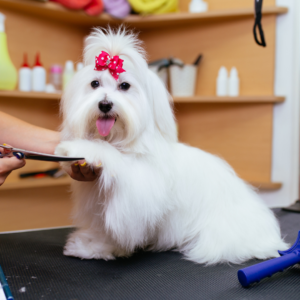
The Maltese is a charming breed, weighing in at approximately 7 pounds. This small but spirited pup is known for its silky coat that requires regular grooming but sheds minimally, earning it a rank of 1 on the American Kennel Club’s shedding scale.
These dogs are playful, affectionate, and adept at forming strong bonds with their owners. Despite their petite stature, they are energetic and love games, making them great companions for both individuals and families.
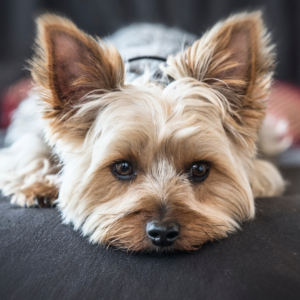
Yorkshire Terriers
Yorkshire Terriers, often recognized by their distinctive glossy, fine, and straight coat, they tip the scales at approximately 7 pounds. Affectionately known as “Yorkies,” these charming pups” also rank number one on the American Kennel Club’s shedding scale, indicating minimal shedding.
Yorkies are known for their bold and tenacious temperament, masked by their small size and adorable appearance. They make excellent companions, especially for those who can cater to their active and inquisitive nature.
Despite the Yorkies’ low shedding characteristic, the breed’s coat requires regular brushing to maintain its health and lustrous appearance.
What is the fluffiest dog that doesn’t shed?
The fluffiest dog breed that doesn’t shed is the Bichon Frise. With its characteristic white coat, plush and velvety to the touch, the Bichon Frise is a showstopper. Despite its fluffy appearance, this breed is a minimal shedder, making it an ideal choice for those who want the luxury of a fluffy dog without the hassle of constant shedding.
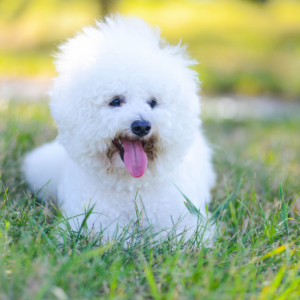
These cheerful, playful, loyal dogs thrive on human company, making them an excellent choice for families and individuals alike.
Regular grooming is necessary to maintain the health and beauty of their coat, but the trade-off is a lovable, non-shedding, hypoallergenic dog.
What is the best shedless dog who is great with kids?
The best minimal shedding dog that is great with kids is the Australian Terrier. Aussies, a small breed known for its courage, spirited personality, and affectionate nature, are another excellent choice for families in search of a minimal-shedding dog. Watch this video below about Aussies:
Unlike most terrier breeds, the Australian Terrier is known for its friendliness towards other animals and dogs, which can be essential for households with multiple pets.
While they require regular grooming and brushing to maintain their rough, shaggy coat, they are considered minimal shedders. This and their remarkable traits make them an excellent choice for families, particularly those with allergy sufferers.
Are you looking for a dog breed that is great with kids? Check out this ranked list of every dog breed – Best Dog Breeds For Kids Ranked: Find The Best Of 199+ Puppies!
What dogs are quiet and don’t shed?
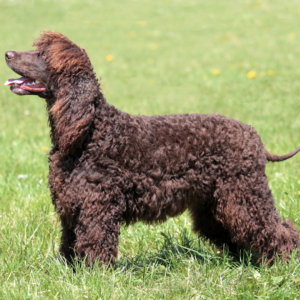
Consider these four breeds if you’re seeking a dog that sheds and barks minimally. Each dog holds the top rank on the AKC scale for shedding and barking very little: the Bergamasco , Bolognese, Briards, and the Irish Water Spaniel.
What are the most affectionate non-shedding dogs?
Looking for the most non-shedding dogs who will be affectionate to everyone in the family? Check out these beloved dog breeds.
- American Hairless Terriers

- Bichons Frises
- Kerry Blue Terriers
- Komondorok
- Lagotti Romagnoli
- Lhasa Apsos
- Maltese
- Poodles
- Puli
- Pumi
- Shih Tzu
- Soft Coated Wheaten Terriers
- Spaniels (Irish Water)
- Spanish Water Dogs
- Standard Schnauzers
- Xoloitzcuintli
- Yorkshire Terriers
What is the most athletic non-shedding dog?
If you want a lively and low-shedding athletic breed, consider the Pumi. With their distinct curly coat and playful energy, Pumis are versatile, intelligent, and agile. Originally from Hungary, they were bred for herding and driving livestock, so they have a strong work ethic and high energy levels. Perfect companions for active individuals and families.
Despite their energetic nature, Pumis rank low on the shedding scale. Their curly, medium-length coat requires regular grooming to maintain its health and appearance but rest assured; you won’t find much fur on your furniture or clothes.
If you can meet their physical and mental stimulation needs, the Pumi could be the perfect fit for an active family who wants a non-shedding companion.
Watch this video about the Pumi down below:
Looking for a canine companion with boundless energy to match your active lifestyle? Check out this article – 201 Dog Breeds Ranked By Energy Level – Find Your Perfect Pup!
What dog breeds are hypoallergenic?
The term “hypoallergenic breed” refers to dogs that don’t shed and are less likely to cause an allergic reaction. Here are some canines that are known for being hypoallergenic dogs:
- Poodles: Available in three sizes (standard, miniature, and toy), Poodles have a curly coat that traps dander, reducing the chance of an allergic reaction.
- Maltese: These small dogs have long, silky hair instead of fur, which minimizes dander.
- Bichon Frise: Known for their fluffy white coat.
- Shih Tzu: Their long, flowing hair is more like human hair than typical fur, which helps to reduce dander.
- Portuguese Water Dog: This breed has a waterproof coat that traps dander, which can help to prevent allergic reactions.
It’s important to note that individual reactions to different dog breeds can vary widely, so spending time with a breed before deciding to bring one into your home is recommended.
Want to see more hypoallergenic puppies? Check out this article – 15 Best Small & Hypoallergenic Dog Breeds Under 30 lbs (With Photos)
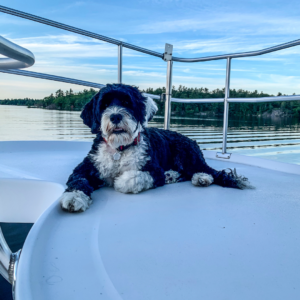
Is there truly a non-hypoallergenic dog breed?
While some non-shedding dog breeds are advertised as hypoallergenic due to their low-shedding characteristics, it’s crucial to understand that no dog breed is 100% hypoallergenic. All dogs shed skin cells, known as dander, which is often the primary cause of pet allergies.
Additionally, dogs produce proteins in their urine and saliva that can trigger allergic reactions.
Therefore, while some breeds may cause fewer allergy symptoms than others, there is no guarantee that any dog, including those listed as hypoallergenic, will not cause an allergic reaction. It’s always advisable for potential dog owners with allergies to spend time with a breed before bringing a new pet home.
Watch this video about truly hypoallergenic breeds:
Dr. Mima Petrick from Family Allergy and Asthma addresses the timeless dilemma – does the concept of hypoallergenic dogs truly exist?
Why do dogs shed?
Dogs shed to maintain a healthy coat and regulate their body temperature. This natural process removes old or damaged hair, making way for new, healthy hair to grow. Shedding varies widely from breed to breed, and is influenced by factors such as the breed’s genetics, overall health, nutrition, and exposure to sunlight and temperature.
What are the different coats dogs have, and does this affect the amount of shedding they have?
Dogs have a diverse range of coat types, and the kind of coat a dog has significantly influences the amount they shed.
- Short-Haired Coats: Dogs with short hair, such as Dalmatians or Boxers, have a single coat of hair that sheds consistently throughout the year.
- Long-Haired Coats: Breeds like the Afghan Hound or Yorkshire Terrier have long hair that grows continuously and sheds less frequently. These dogs often need regular grooming to prevent matting and tangling.
- Double Coats: Breeds like Siberian Huskies or Golden Retrievers have a double coat consisting of a dense undercoat and a longer overcoat. These dogs typically shed their undercoats twice a year in a process known as “blowing coat.”
- Wire-Haired Coats: Dogs with wiry coats, like the Scottish Terrier or Irish Wolfhound, have rough, wiry coat that sheds minimally but requires regular stripping to remove dead hair.
- Curly or Wavy Coats: Breeds like Portuguese Water Dogs or Irish Water Spaniels have curly or wavy hair that sheds minimally but needs regular grooming to prevent matting.
While the type of coat a dog has plays a significant role in the amount of shedding, regular grooming matched to the specific coat type can help manage shedding and maintain the health and appearance of your dog.
Video – Watch This In-depth Video About Dog Coats And How To Care For Each Specific Type
In the video below, you will discover valuable insights into various types of dog coats. Learn how to properly care for your dog’s specific coat, including the essential grooming tools tailored to their needs. This comprehensive video, presented by Amy Leigh, a professional dog groomer since 2003, offers unparalleled expertise and articulate guidance.
Do dogs shed all year round?
Yes, most dogs shed year-round, but the amount and frequency can vary between breeds and individual dogs. In fact, Genetics, health, and seasonal changes can affect a dog’s shedding cycle, with spring and fall being the heaviest time for shedding.
Plus, environmental factors such as the light you use in your house could have an effect on your dog’s shedding. In one survey study conducted by Embark revealed that animals exposed to excessive artificial light may be the reason for year-round shedding.
Surprisingly, nearly 47% of respondents in their health survey reported this phenomenon in their dogs. Consistent exposure to artificial light mimics daylight, disrupting the natural photoperiod that outdoor animals would typically encounter.
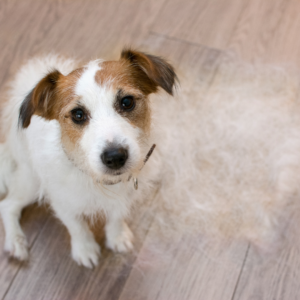
Reasons a dog can shed excessively
Here are seven reasons why a dog can be shedding excessively:
1. Poor Nutrition
Poor nutrition can be a significant cause of excessive shedding in dogs. If your dog is not getting the right balance of vitamins and minerals, their coat may become dry and brittle, leading to excessive shedding.
2. Allergies
Allergies can also be a common cause of excessive shedding in dogs. Dogs can suffer from environmental allergies, such as pollen or dust mites, as well as food allergies. If your dog is suffering from an allergy, they may scratch excessively, which can lead to hair loss and shedding.
3. Stress
Stress can also be a major factor when it comes to excessive shedding in dogs. If your dog is feeling anxious or stressed out, they may shed more than normal due to the release of cortisol hormones in their body. Try to keep your dog’s environment calm and stress-free as much as possible.
4. Hormonal Imbalance
Hormonal imbalances can also lead to excessive shedding in dogs. Dogs with thyroid problems or other hormonal issues may experience hair loss due to the imbalance in their hormones. Your veterinarian will be able to diagnose any hormonal issues and provide treatment if necessary.
5. Parasites
Parasites such as fleas, ticks, and mites can also cause excessive shedding in dogs if left untreated for too long. These parasites feed on your pet’s blood, which can lead to itching and irritation that causes them to lose fur from scratching too much. Be sure to use regular flea prevention treatments on your pet to avoid this problem from occurring in the first place!
6. Age
Age is another factor that can contribute to excessive shedding in dogs – older dogs tend to shed more than younger ones due to changes in their hormone levels as they age (similarly to humans!). It’s important to ensure you’re brushing your senior pup regularly to help reduce the amount of fur they’re losing each day!
7. Disease or Illness
Lastly, certain diseases or illnesses may also cause excessive shedding in dogs – illnesses like Cushing’s disease or hypothyroidism often result in increased amounts of fur loss due to changes in hormone levels or other factors associated with the condition itself! Make sure you take your pup for regular checkups at the vet so that any potential health issues can be caught early on before they become serious problems!
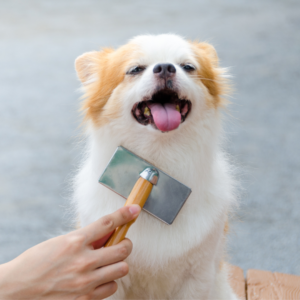
Is there a way to limit shedding in a dog?
Limiting the amount of shedding in dogs can be achieved through several methods. If you follow these tips below you can help reduce the amount of dog hair you’ll find around the house.
1. Brush Regularly
One of the best ways to reduce the amount of shedding as well as have less dander that might flare up any allergic reactions is to brush them regularly. Brushing helps remove excess fur and dander from their coat, which can help reduce the amount of shedding you’ll find around your home. It’s essential to use a brush specifically designed for your dog’s fur type to ensure that you are properly removing all of the excess fur and dander.

2. Bathe Regularly
Bathing your dog on a regular basis can also help to reduce the hair you’ll find. This is because bathing helps to remove dirt, debris, pet dander, and other buildup from their coat that can contribute to shedding. Additionally, using a shampoo specifically designed for dogs can help moisturize their skin and coat, which can help keep it healthy and reduce shedding.
3. Balanced Diet
To reduce shedding, providing your dog with a balanced diet is crucial. A quality diet containing essential vitamins, minerals, and proteins promotes a healthy coat and minimizes shedding.
4. Supplement with Omega Fatty Acids
Besides a high-quality diet, supplementing with omega fatty acids can reduce your dog’s shedding. These essential nutrients promote healthy skin and coats, potentially minimizing overall shedding. However, always consult your veterinarian before giving any supplements or medications to your pet.
5. Avoid Stressful Situations
Stress can be a major cause of excessive shedding in dogs. To prevent this, avoid stressful situations like loud noises, unfamiliar people or animals, or changes in their environment.
6. Proper Exercise
Regular daily exercise is vital for reducing shedding in dogs. It strengthens their muscles, promotes a healthy coat, and provides essential nutrients and oxygen to their skin cells. Exercise also helps to lower stress levels, resulting in less shedding.
Do you need some ideas of what fun exercises you can do with your dog? Check out this article – 20 Winter (AKA Indoor) Exercises You Can Do With Your Dog!
7. Reduce Allergens
Dust mites and pollen can cause dogs to shed excessively. To minimize shedding due to allergies, reduce allergens in your home. Regularly vacuuming carpets and furniture helps remove these allergens. Air filters or purifiers can also be beneficial in reducing indoor allergens.
8. Provide Comfort Items
To reduce overall shedding, consider providing comfort items like blankets or toys. These offer comfort when your pet is anxious and create a sense of security, potentially lowering their stress levels over time.
9. Visit Your Veterinarian Regularly
Finally, make sure you take your pup for regular checkups at the vet so they can assess their overall health status, including their skin/coat condition, which could contribute to excessive amounts of shedding if any underlying issues are present!
Final Thoughts
While individuals have their own preferences when it comes to dog breeds, those seeking an indoor companion would find a low-shedding canine to be an ideal choice.
If you are still in search of the perfect puppy, be sure to check out these articles that can help you find the best furry friend for your home: